Are your heating bills costing you an arm and a leg? An energy-efficient heat pump may be able to save you money on your utility bills — especially if your home heating system is currently powered by a propane or electric furnace or electric baseboard heat. How, you may ask? It all comes down to the most efficient (and effective) way to use the electricity that you buy.
First … A Short Science (And Math) Lesson
If you have an electric furnace or use electric baseboard heaters, every watt of electricity used generates just over 3 BTUs of heat. In northern Indiana or southwest lower Michigan, a typical 1,500-square-foot home requires over 88 million BTUs of heat over the course of a winter. At the national average of $0.12/kilowatt, that means heating bills of almost $3,400 per year! Propane isn’t much better. While a gallon of propane generates about 90,000 BTUs of heat, some of that is “wasted” during the combustion process. Older, less efficient furnaces can send as much as $0.40 out of every dollar you spend on heating bills up the chimney. Even newer, high efficiency furnaces still send 2 cents to 10 cents out of every dollar up in smoke. With an average, 80% efficient propane furnace will cost about $1,800 per year to heat a typical 1,500-square-foot home in our area.
Enter The Energy-Efficient Heat Pump
Where an electric furnace generates just 3 BTUs of heat for every watt of electricity, an energy-efficient heat pump can generate 8 to 9 BTUs with that same watt (depending on outdoor temperatures). Unfortunately, the colder it is outside, the less efficient a heat pump becomes. In our climate, that means that you still need to have some sort of backup heating source to keep your home warm on the coldest days of the year. If your backup heating source is an electric furnace, you can count on shaving 30% to 40% off of your heating bills — that’s $1,000 to $1,400 per year in utility savings! Paired with an average, 80% efficient propane furnace, you could still expect to save 15% to 20% — a $250 to $350 per year reduction.
How Heat Pumps Perform During Extreme Winter Weather
In northern Indiana and southwest Michigan winters, it’s common for heat pumps to behave a little differently when temperatures drop into the teens and single digits. That said, modern heat pump systems are designed to perform well in low temperatures, and many newer models can efficiently provide heat even when outdoor temperatures fall well below freezing.
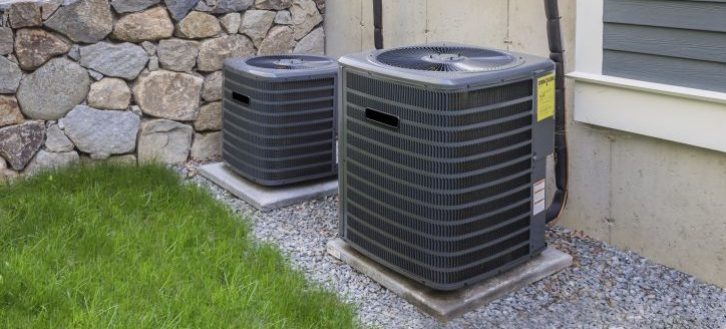
During cold snaps, you may notice longer run times or brief periods when the air from your vents feels cooler. This is often normal. Heat pumps move heat rather than create it, and they periodically enter a short defrost cycle to clear frost from the outdoor unit. During defrost, the system may temporarily rely on backup heat, then return to normal operation once the coil is clear.
What’s not normal is persistent cold air from vents, heavy ice buildup on the outdoor unit that does not clear, or a system that seems to run nonstop without raising indoor temperatures. These are warning signs of a real problem, such as low refrigerant, airflow issues, or a failing backup heat component. Ignoring winter heat pump issues can lead to higher energy bills, complete loss of heat during a cold snap, and even frozen pipes when indoor temperatures fall too low.
What Are The Downsides Of a heat Pump?
Because they also provide air conditioning during the summer, heat pumps run virtually all year long. As a result, they don’t last as long as a furnace or an air conditioner — just 12 to 15 years on average. If you consider, however, the $3,000 to $21,000 in utility savings over their lifetime, it’s still a great deal. Another common complaint about heat pumps is that the air that comes out of the registers isn’t as warm as with a furnace, even though the systems rarely have a problem keeping the requested temperature on the thermostat. There have been advances in technology that have made the heat generated by heat pumps more comfortable, but it’s still an issue for some people.
Schedule your Appointment Today!
(574) 295-6844If you need to replace your furnace or air conditioner, you should definitely consider a heat pump. Because every home is different, it is best to have a trained professional come out to evaluate your specific situation. Our team at Church Plumbing & Heating can help determine if you should make the switch. We have found many customers that would benefit from a heat pump and a few that won’t.
Contact us today, and we’ll be happy to sit down with you to find out if a heat pump is right for your home.